


Considering an electric company car soon? You no longer need to wait for "the EV of the future".
The Belgian professional market is already well ahead: in the first half of 2026, 59% of all new registrations among professional buyers were fully electric cars. The question is no longer whether electric driving is ready for your business, but which model and which technology today genuinely fits your driving profile — and what's still just an announcement rather than something you can order now.
How far do you really drive today
WLTP figures are the official reference point, but paint too rosy a picture in cold weather. A more realistic picture for Belgian buyers:
| Segment | WLTP range | Real-world range in cold weather |
|---|---|---|
| Compact EV | 300-450 km | 175-330 km |
| Mid-size/sedan | 500-700+ km | 350-500 km |
| SUV | 450-600+ km | 320-450 km |
| Van | 300-340 km | 180-260 km |
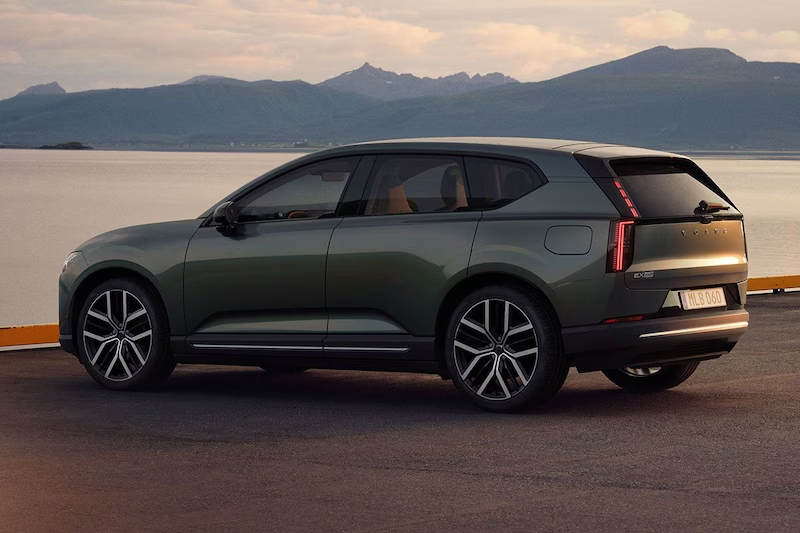
At the top of the market, the Volvo EX60, BMW iX3, Mercedes-Benz CLA and Audi A6 Sportback e-tron flirt with 800 km WLTP. At the same time, a full-fledged segment of more compact, affordable models for regional and urban use is growing: the Citroën ë-C3, the Renault 5 E-Tech, and the new compact Volkswagen models. An electric company car therefore doesn't automatically have to be an expensive long-distance car: for those who mainly drive regionally, the entry-level segment is now genuinely convincing.
Battery technology: what you choose today, and what's still music of the future
Two cell types dominate the market. LFP batteries are cheaper (on average more than 40% cheaper per kWh than NMC), last longer and carry a lower fire risk, but have a lower energy density. As a result, you increasingly find them in compact and affordable models. NMC and NCA batteries offer more energy per kilogram and per liter, and therefore remain dominant in long-range and fleet models.
Solid-state batteries — batteries in which the liquid or gel-like electrolyte is replaced by a solid substance — are not yet a purchase argument in 2026. Toyota, Mercedes, BMW and Stellantis are testing prototypes on the road, but themselves talk about commercial introduction toward 2027-2030, not an immediate launch. Anyone buying now is therefore best off deciding based on what's available today.
Battery warranties, however, are already very concrete: 8 years is the standard among major brands, with mileage limits that vary by model (for example 160,000 to 240,000 km) and an explicit capacity threshold (often at least 70% remaining capacity) below which free repair or replacement follows. For used-car buyers, that capacity threshold is becoming more important than the bare "8-year warranty" argument, and from 18 February 2027 a mandatory European battery passport will also make the origin and battery data of every new car more transparent.
What an electric company car really costs
Entry-level prices in Belgium are falling fast: the Citroën ë-C3 from around €18,790, the Renault 5 E-Tech from around €26,850 (private) or €21,150 excl. VAT (company car pricing), and the Volkswagen ID. Polo from €24,990. In the SUV segment, electric cars reached price parity with comparable combustion-engine models for the first time in 2025, according to the IEA; in more compact private segments, the purchase price often remains somewhat higher.
Chinese brands continue to put further pressure on those prices, even after the European countervailing duties (ranging from 7.8% to 35.3% on top of the regular import duty). They remain on average about 21% cheaper than European alternatives. That feeds through to total cost of ownership: according to Ayvens, Belgium is among the cheapest European countries to drive electric, with TCOs that in the largest segments are now lower than petrol or diesel. The used market is picking up too: the number of used electric car registrations rose 42.5% in the first half of 2026.
How fast do you charge, and how good is the Belgian grid by now
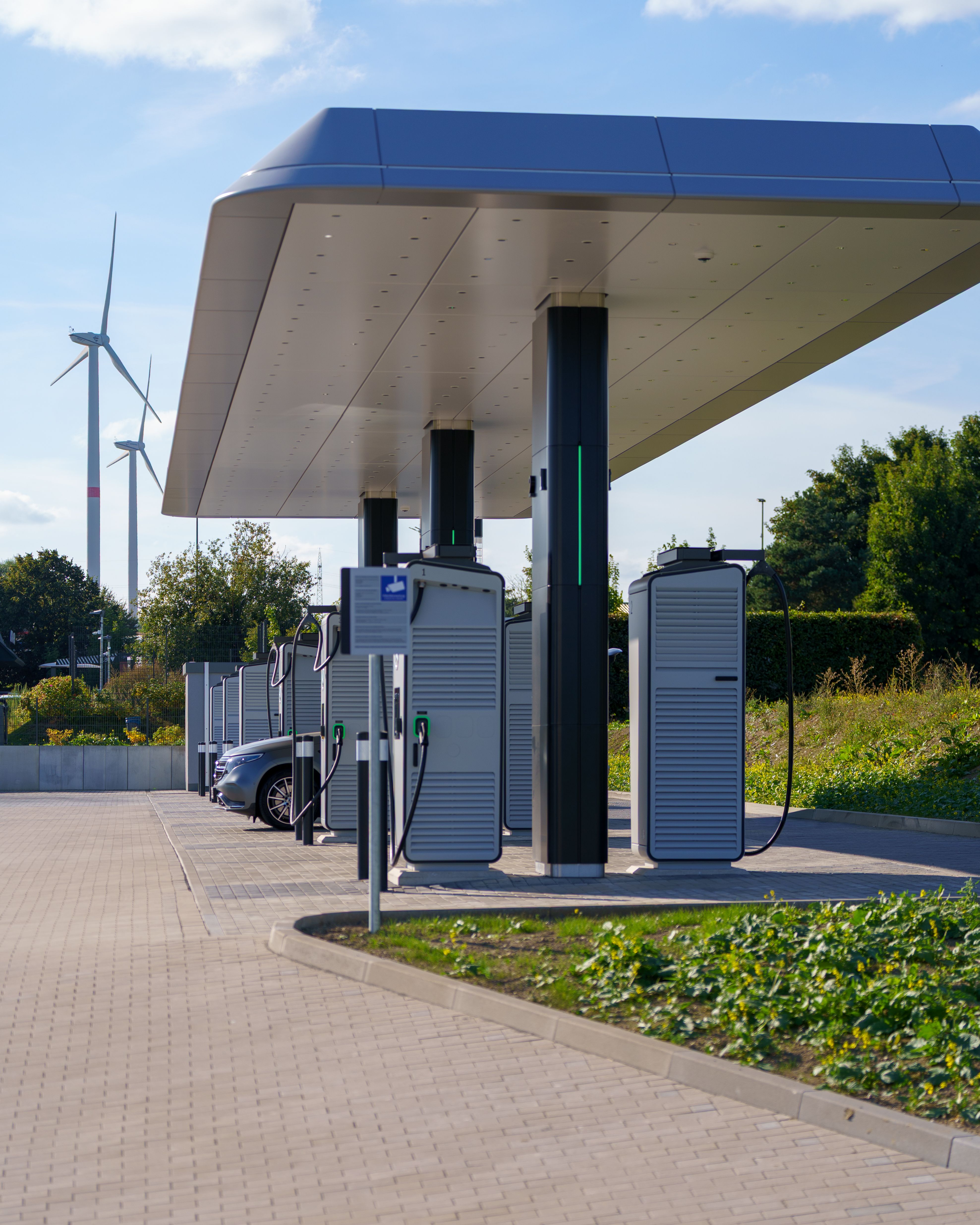
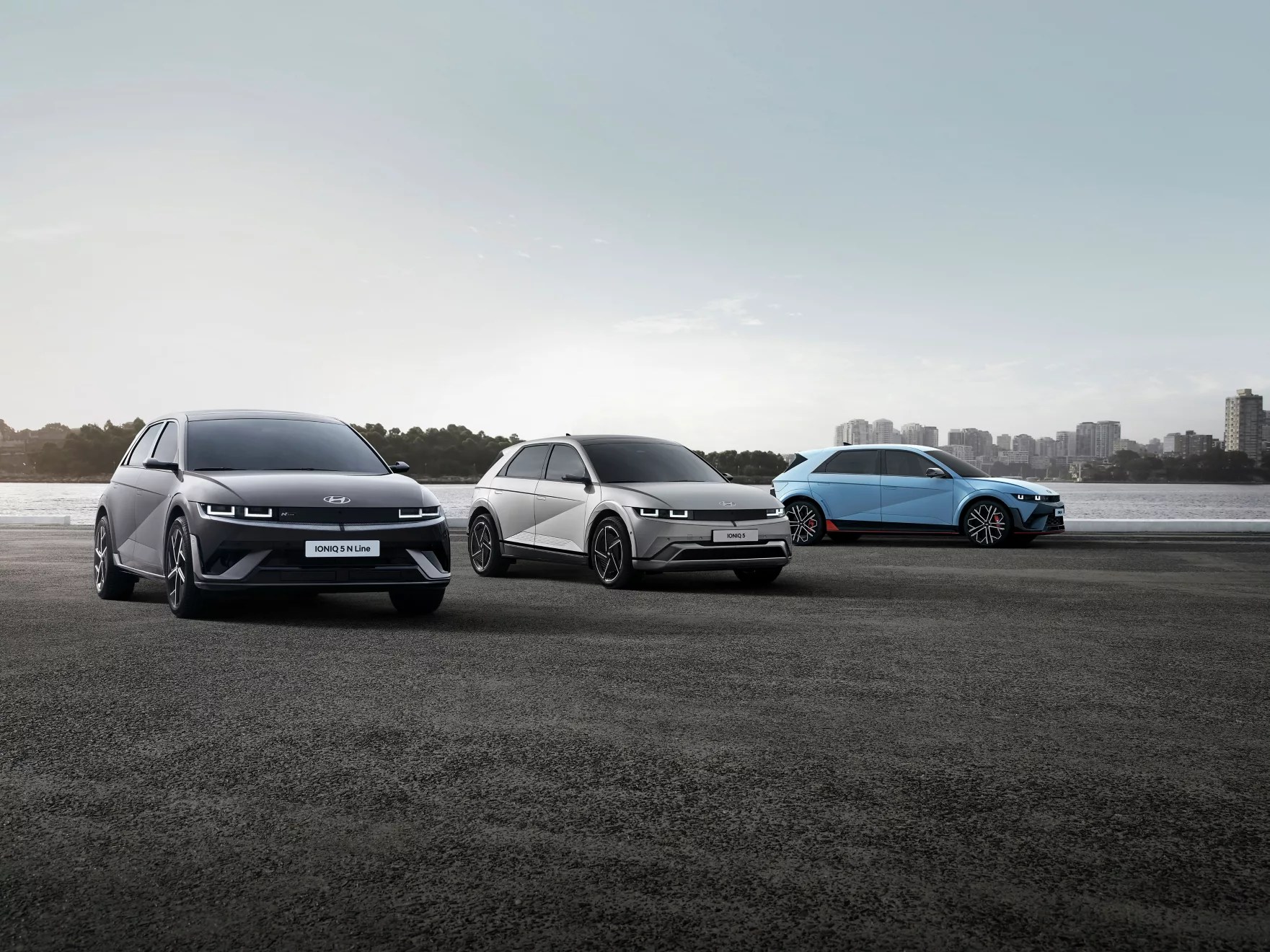
Many high-volume models today charge at 100-175 kW DC. Above that, an 800V segment is growing that charges substantially faster: the Kia EV6 and Hyundai IONIQ 5 go from 10 to 80% in about 18 minutes, the new electric Mercedes-Benz CLA reaches up to 320 kW, and some models even reach up to 525 kW. The peak power on paper says less than the actual charging curve, though: that's what determines how much of that speed you actually achieve in practice.
The Belgian charging network grew by nearly 20,000 additional charging points in the first half of 2026, to more than 126,000, with the strongest relative growth in Wallonia and Brussels, while Flanders retains the densest network. The bottleneck is now less about "is there power available" and more about "the right power, at the right time, at the right price": fast-charging corridors along highways remain more important than the total number of charging points.
Home charging remains the strongest lever on your cost, at an indicative price of around €7.5 per 100 km. A home charging point typically costs €1,200 to €2,000 including installation, and for reimbursing business kilometers charged at home, the tax authorities use CREG's quarterly flat rates (for Q3 2026, indicatively 32.22 eurocents/kWh in Flanders, 37.19 in Brussels and 37.83 in Wallonia).
Is bidirectional charging already usable, or still mostly a pilot phase?
Nuance matters here. V2L (Vehicle-to-load: your car as a power source for devices) is already genuinely usable today, and is found in, among others, the Hyundai IONIQ 5, IONIQ 6, KONA Electric and Kia EV6. V2H (Vehicle-to-Home: your car supplying power to your house) and V2G cars (Vehicle-to-grid: your car feeding power back to the grid) are a different story: only a limited number of brands and models support this today, and specific Synergrid-approved installations, an inspection, and an energy partner that actually compensates that flexibility are required. Elia and Fluvius themselves remain cautious about it.
For an individual self-employed professional, V2G in 2026 is therefore more of a bonus option than a reason to buy. The financial benefit becomes more realistic once vehicle fleets and business sites can bundle their vehicles, which is likely to become more relevant in the coming years (2028-2030) than in the short term for a single individual car.
And taxation?
For an electric company car too, the same CO2 and deduction rules apply, regardless of whether you buy, lease or rent. One practical detail is worth mentioning, though: electricity you use for charging has permanently fallen under 6% VAT since April 2023, which makes home charging your company car tax-wise simpler than is often assumed.